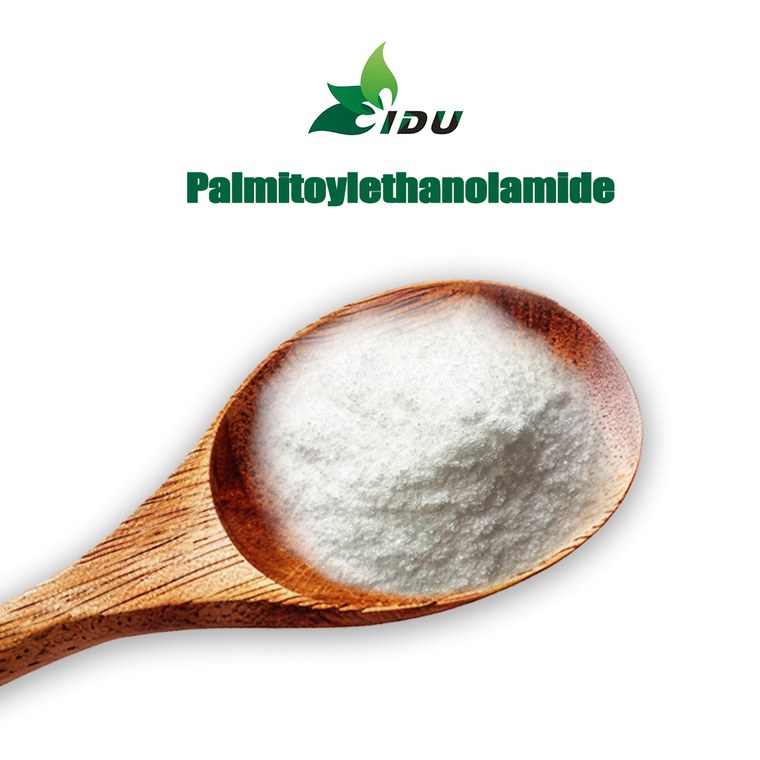
Palmitoylethanolamide (PEA)
01 · Cognitive & Brain Health

Palmitoylethanolamide (PEA)

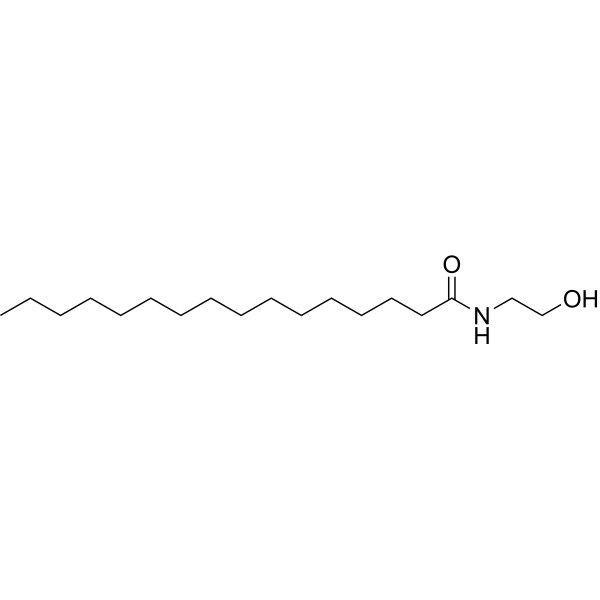
Palmitoylethanolamide (PEA) is an endogenous fatty acid amide, belonging to the N-acylethanolamine (NAE) family. Naturally present in mammalian tissues, PEA is also found in foods such as egg yolks and soy lecithin. It plays a regulatory role in neuroinflammation, mast cell activity, and cellular homeostasis.As a PPAR-α agonist, PEA has been extensively studied for its effects in the following areas:· Balance of neuroinflammation· Management of chronic discomfort· Peripheral nerve health· Joint and mobility support· Immune modulationWith the continuously rising global demand for scientifically-backed nutraceutical ingredients, micronized PEA powder has emerged as a crucial raw material for dietary supplements and medical nutrition products in Europe and North America.
Key Selling Points
  • Bioavailability Optimization Features
  • High-Purity Control Process
  • Quality System and Compliant Production
  • Stable Supply and Global Delivery Capability

02Product Description

Purity
98.81% Min
Appearance
White to off-white crystalline powder
CAS No.
544-31-0
Molecular Formula
C₁₈H₃₇NO₂
Molecular Weight
299.49
Solubility
Insoluble in water; soluble in ethanol and lipid solvents

03Product Specifications

Test ItemSpecificationMethod
Assay98.81% MinHPLC
Identification
IR spectrum
IR
Loss on drying0.23% / CP2010
Residue on ignition0.005% / CP2010
Bulk density0.34g/ml
CHPMesh / 40 meshUSP
As0.002ppm MaxICP-MS
Pb0.02ppm MaxICP-MS
Cd0.002ppm MaxICP-MS
Hg0.001ppm MaxICP-MS
Fe1PPM MaxICP-MS
Microbiology Control
Total Plate Count10cfu/g MaxUSP
Yeast&Mold10cfu/g MaxUSP

04Product Process & Advantages

Bioavailability Optimization Features

Palmitoylethanolamide (PEA) belongs to the fatty acid ethanolamide family and features a naturally lipophilic structure. This molecular structure facilitates its dispersion and absorption in lipid environments. To meet oral application requirements, AIDU Biotech utilizes particle size control technology to increase the specific surface area, thereby optimizing gastrointestinal dispersion, making it suitable for formulation systems related to neurological health and inflammation regulation.

AIDU Biotech employs physical modification technology to offer the following three core specifications:Regular PEA: 100% passes through a 40-mesh sieve, suitable for basic formulations and cost-sensitive bulk applications.Micronized PEA: The particle size is precisely controlled at D(0.80∼1.00) 10 μm. With an ultra-large specific surface area, it accelerates dissolution and absorption in the gastrointestinal tract, significantly enhancing bioavailability.Liposomal PEA: Available with core content levels of 50% and 70%, it leverages lipid encapsulation technology to mimic biological membrane structures, achieving optimal transmembrane transport efficiency.

High-Purity Control Process

Adopting controlled amidation reactions and multi-stage purification processes, combined with recrystallization and impurity profile management, we conduct full-process monitoring of key quality attributes (assay, related substances, residual solvents, and heavy metals). The finished product maintains a stable purity of ≥98%, ensuring batch consistency and long-term supply stability, thus meeting the stringent quality requirements for raw materials in the high-end dietary supplement and medical nutrition sectors.

Quality System and Compliant Production

Products are manufactured at scale in our own production bases, with the production system complying with cGMP quality management standards. We implement comprehensive raw material traceability and release standards, covering physicochemical index testing, microbial control, heavy metal testing, and stability assessment. The products meet quality standards such as Non-GMO, Solvent-free, and Gluten-free, providing robust support for compliant applications in the US and EU markets.

Stable Supply and Global Delivery Capability

Backed by mature industrialized production capabilities and a sound supply chain management system, we can ensure a stable supply of bulk raw materials. By integrating localized warehousing resources with an international logistics system, we achieve efficient delivery and inventory assurance, meeting the long-term strategic cooperation needs of OEM/ODM clients and brand owners.

05Product Functions & Mechanisms

Neuro Support & Comfort Balance

Palmitoylethanolamide (PEA) is widely incorporated into formulations designed to support neuroimmune balance and nervous system homeostasis. By modulating inflammatory signaling pathways and cellular stress responses, it provides comprehensive comfort support for conditions associated with prolonged physiological stress.

Healthy Inflammatory Response Support

PEA participates in the regulation of pro-inflammatory mediator signaling. Leveraging the PPAR-α-dependent pathway, it helps maintain a balanced inflammatory response and cellular oxidative stability.

Immune & Mast Cell Modulation

Backed by the well-validated ALIA (Autacoid Local Injury Antagonism) mechanism, PEA effectively regulates mast cell reactivity, thereby safeguarding immune equilibrium and tissue comfort when facing environmental or physiological stressors.

Neuroprotection & Mitochondrial Support

PEA helps stabilize mitochondrial membrane integrity and ensures the normal operation of cellular energy metabolism under inflammatory conditions. By reducing oxidative stress signaling, it enhances neuronal resilience and maintains metabolic balance.

Scientific Research & Data Backing

A. PPAR-α Signaling Pathway ModulationPalmitoylethanolamide (PEA) is recognized as an endogenous ligand of Peroxisome Proliferator-Activated Receptor-α (PPAR-α). PPAR-α belongs to the nuclear receptor superfamily and is involved in the transcriptional regulation of inflammatory signals as well as the maintenance of lipid metabolic balance.Upon binding to the receptor, the activation of PPAR-α can regulate the transcriptional activities of genes related to cytokine expression and oxidative stress balance, thereby modulating the dynamic changes of inflammatory signaling pathways.Literature References:Verme et al., 2005 – Demonstrated that the biological activity of PEA relies on the PPAR-α pathway,Molecular Pharmacology,DOI: 10.1124/mol.104.010439;D’Agostino et al., 2007 – Reported that PEA participates in the regulation of inflammatory signals via PPAR-α,European Journal of Pharmacology*,DOI: 10.1016/j.ejphar.2007.07.024

B. Mast Cell Modulation – ALIA MechanismPEA possesses the classic Autacoid Local Injury Antagonism (ALIA) effect, the core of which lies in the precise regulation of mast cell reactivity.Mast cells play a key role in tissue inflammation and the crosstalk between neuro-immune signals. Studies have confirmed that PEA can effectively intervene in the activation and degranulation processes of mast cells, thus providing solid support for maintaining local tissue homeostasis under physiological stress conditions.Literature References:Aloe et al., 1993 – First proposed the regulatory effect of PEA on mast cells,Agents and Actions,DOI: 10.1007/BF01972767;Levi-Montalcini et al., 1996 – Explained the theoretical basis of ALIA,NeuroReport*,DOI: 10.1097/00001756-199610020-00027

C. Mitochondrial Support & Synergy MechanismPEA participates in the regulation of cellular lipid signaling networks, and its roles in the following aspects have been reported in studies:

Maintaining the stability of mitochondrial membrane potential

Regulating inflammation-related reactive oxygen species (ROS) signals

Supporting the maintenance of cellular energy metabolic homeostasisIn addition, PEA is believed to indirectly act on the endocannabinoid system by regulating the levels of endogenous lipid mediators. This synergistic mechanism is referred to as the "Entourage Effect".Literature References:Petrosino & Di Marzo, 2017 – Reviewed the relationship between PEA and the endocannabinoid system,British Journal of Pharmacology,DOI: 10.1111/bph.13627;Skaper et al., 2015 – Reviewed the molecular mechanism of PEA in the regulation of neuroinflammation,CNS & Neurological Disorders – Drug Targets,DOI: 10.2174/1871527314666150821102842*The listed references are for scientific and mechanistic discussion purposes only. This ingredient is not intended to diagnose, treat, cure, or prevent any disease.

06Applications

  • Dietary Supplements: As an endogenous lipid mediator, PEA is widely incorporated into formulations designed to support nervous system homeostasis and neuroimmune balance. By modulating mast cell activity and facilitating healthy inflammatory signaling, PEA empowers formulations aimed at enhancing overall comfort and quality of life.
  • Functional Foods & Beverages: PEA is increasingly integrated into cutting-edge sports nutrition products. Through the activation of the PPAR-α pathway, it helps maintain a healthy inflammatory response after intense training, accelerates post-exercise recovery, and boosts metabolic resilience.
  • Cellular Health & Anti-Aging Formulations: PEA is applied in precision formulations targeting cellular homeostasis and mitochondrial support. Often synergistically combined with ingredients like Pterostilbene and Coenzyme Q10, it aids in balancing cellular signaling and enhancing the body's resilience during the aging process.
  • Pet Functional Nutrition: In the field of companion animal nutrition, PEA is used in formulations that support skin comfort, joint flexibility, and balanced immune activity in dogs and cats. As a bio-identical endogenous compound, it offers an active ingredient with excellent biocompatibility for premium pet care products.
  • R&D & Formulation Innovation: PEA serves as a key raw material in lipidomics and neuroimmune research, and is widely applied in formulation development projects involving micronization technologies, lipid delivery systems, and bioavailability optimization strategies.
  • Formulation & Application Recommendations
  • Given that PEA is highly lipophilic and insoluble in water, its absorption efficiency is largely determined by formulation techniques.
  • Dosage Form Selection and Bioavailability Optimization Strategies
  • Liposomal Softgels: By suspending PEA in an MCT oil (medium-chain triglyceride) or lecithin matrix, the formulation mimics the biological membrane structure, overcoming water solubility limitations and significantly enhancing absorption efficiency via the lymphatic system.
  • Micronized Capsules/Tablets: Utilizing micronized raw materials with D50<10μm, the large specific surface area accelerates its dissolution in the intestinal lipid environment, making it suitable for combination with water-soluble excipients.
  • Multi-dimensional Synergistic Formulation Design Solutions
  • " Balancing inflammatory pathways + Anti-aging" Combination: PEA + PterostilbenePEA regulates the inflammatory microenvironment, while Pterostilbene activates the SIRT1 protein to modulate cellular longevity pathways. Together, they act synergistically on mitochondria, forming a cutting-edge combination in the field of Healthy Aging.
  • "Neural Repair" Combination: PEA + B-complex Vitamins / Lipoic AcidFor chronic neurological discomfort, PEA is responsible for Supporting comfort, while B-complex vitamins are tasked with repairing the nerve sheath.

07Packaging & Storage

  • Specifications: 1kg/aluminum foil bag; 25kg/fiber drum (customizable specifications available).Storage Conditions: Store sealed in a cool, dry, and light-protected environment.Shelf Life: 36 months.

08Frequently Asked Questions

What is the CAS number of Palmitoylethanolamide?

The CAS number of Palmitoylethanolamide (PEA) is 544-31-0.

What purity of Palmitoylethanolamide do you supply?

AIDU Biotech supplies Palmitoylethanolamide (PEA) at 98.81% Min, with full analytical data and a Certificate of Analysis (COA) for every batch.

Do you provide a COA and third-party testing for Palmitoylethanolamide?

Yes. Every batch of Palmitoylethanolamide ships with a complete Certificate of Analysis (COA), and we provide MSDS and third-party test reports on request.

Can you ship Palmitoylethanolamide from a US warehouse?

Yes. AIDU Biotech keeps inventory in our Los Angeles, USA warehouse for faster North American delivery, alongside global shipping from our own manufacturing facility.

What is the minimum order quantity (MOQ) for Palmitoylethanolamide?

MOQ and bulk pricing vary by grade and volume. Contact idusc@aidubio.com for free samples and a quote.

09Related Ingredients

GET IN TOUCH

Request a quote or sample

Tell us the ingredient and volume you need. Our team will respond with pricing, lead time and documentation.

+86-21-61049330 · +86-138-1774-6068
idusc@aidubio.com
Warehouse Address: Los Angeles, CA, USA

Tell us what you need

We use your details only to respond to this enquiry.